Earlier today I had a rant in my head about being broke and sweating it out every time I put my debit card in the register, hoping it makes it through. And that has to do with why the blog is here.
The gist is, or want to get across to you is, that all my posts, the reason for this site/blog is it is coming from a person that sometimes has problems rubbing two nickels together (really). But wants to be good at investing in the market. At making extra money by investing.
I am working class man that rarely gets the extra $10 to invest in a stock.
But I am going to keep grinding. Keep looking for something to put ten bucks into.
I don’t hear a lot of voices out there in the investing world like that. So why not be one?
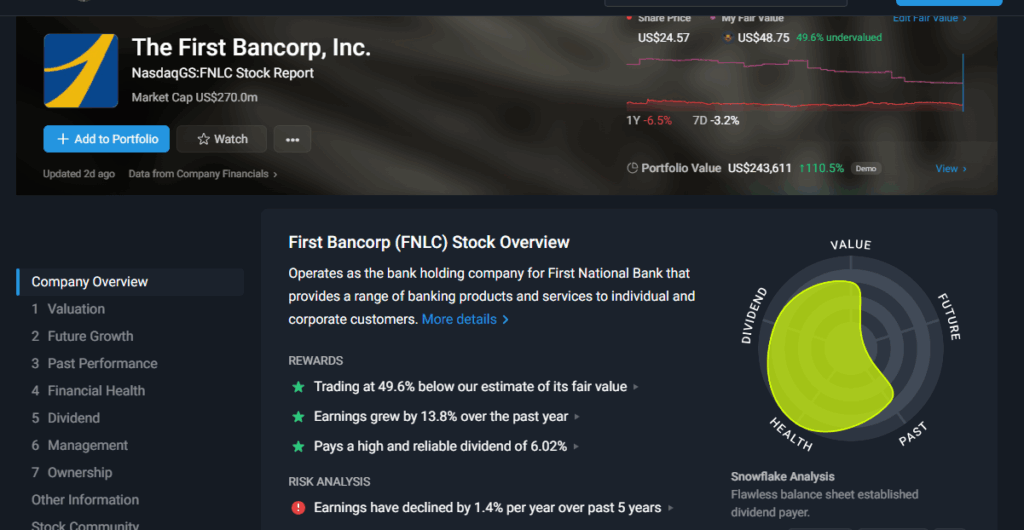
Banks are pretty freaking boring, but sometimes things look so good, you can look past the boring.
Simply Wall Street is showing First Bancorp as 50.6% undervalued. That’s pretty freaking good.
FNLC had a pretty terrible month, and I am struggling to find why. Looking back over the past five years, Bancorp has been this low before, even slightly lower. But it has come back every time.
Feels like getting in now and sitting on it until it gains a few dollars would be a solid plan.
UPDATE:
…
I guess it was a good thing I was broke this past week and didn’t buy a little bit of Bancorp, looks like it had a rough week. Maybe this one?…
…
*Heads up: Simply Wall Street is an affiliate of mine. Also, a Disclaimer that this site doesn’t know what it is talking about most of the time – you should do your own research and stuff.
I wanted to share with you some market media folks and websites I use and enjoy. Places that are entertaining and/or educational. Hopefully, you’ll find someone you haven’t seen.
Websites For Novice or Informed Investors To Follow
The Motley Fool. Been reading and listening since the beginning, so I tried to get them as an affiliate, but they turned me down. That’s cool, they still have lots of great info on what you should probably be investing in next. Regular comparisons of similar stocks so you can decide which might be best for you. They also have a good podcast, which I listen to a lot.
CNBC. I currently do not subscribe to a TV service or APP where I can watch CNBC, live. During the times when the market is open, I used to love to have it on during my occasional days off during the week. A lot of times it was on in the background, but still. I pick up some segments from their YouTube channel, though.
Yahoo Finance. I use the APP mostly. The desktop site is slow as heck. A good news source and alternative to CNBC.
Simply Wall Street. I have been enjoying how the website determines whether a stock’s price is at a fair value or overvalued. Helps BTW, these guys are a new affiliate of mine. Get the most out of the site by adding your brokerage/stocks you own so you can easily analyze how you’re doing against the market.
The Morning Brew. A good mix of youthful humor and education on what’s happening in the world of stocks, investing, and the market. I watch more of their stuff through Instagram.
I do a decent amount of ‘finance tube’ info gathering. Here are some of my favorites:
Kyla Scanlon. She has had an amazing past year, so I doubt I am discovering someone for you. But she clearly breaks down the events happening in the world of investing, the economy, and politics, and how they relate. She has a book out called In This Economy? that I want to read soon.
Nolan Gouveia – Professor G. He knows his way around ETF stocks better than most and gives good investor education.
Business With Brain. Good personal finance education and long-term stock picks. Also, ETF and emerging stocks that are long-term investments.
You may notice that I don’t mention any day traders or sites. I tried getting into it for a bit, but I came to realize there is too much time involvement and too much risk. A larger percentage of day traders are unsuccessful compared to long-term or retail investors (which is where I am at). Doesn’t mean you can’t make it work; it’s just not for me at the moment. If you want to look into day trading, I would suggest following TraderTV, I enjoy their stuff even know I don’t day trade.
Hope these help you too. I will keep an eye out and update you with more when I find them. Let me know in the comments what investor media folks you suggest.
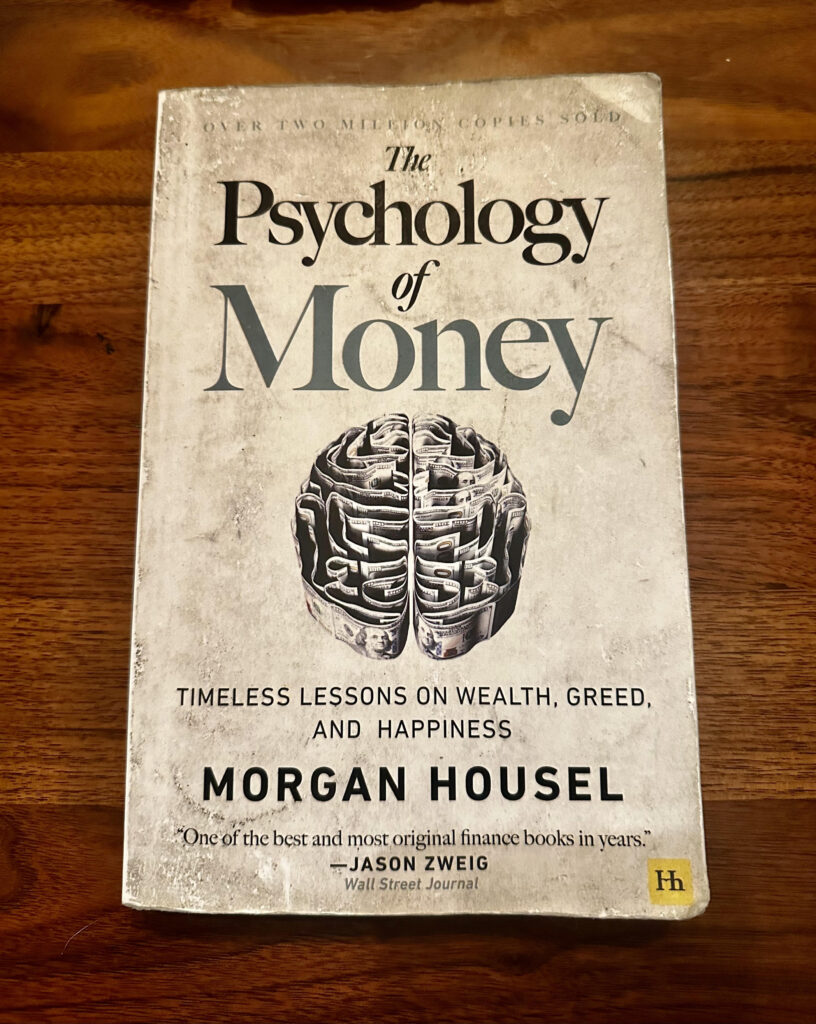
I put together a summary of The Psychology of Money for you, leaning on the lessons you learn in the book. Before you check that out, just know that you can:
Summary of The Psychology of Money by Morgan Housel
Morgan Housel’s The Psychology of Money is an engaging exploration of how people think about, handle, and misunderstand money. Unlike typical personal finance books that focus on investment strategies or budgeting techniques, Housel emphasizes the emotional, psychological, and behavioral factors that influence financial decisions. Through a collection of 20 short chapters, he delves into timeless lessons about wealth, greed, risk, and happiness. Below is an in-depth summary of the key lessons the book offers.
1. The Role of Luck and Risk
Housel begins by explaining that financial success is often a mix of skill, luck, and risk. He uses real-life stories, such as those of Bill Gates and his less fortunate contemporaries, to illustrate how chance can play a pivotal role. While Gates had access to one of the few computers in the world, others with equal potential did not, shaping vastly different outcomes.
The lesson? Be humble about your successes and compassionate about others’ failures. Recognize that luck and risk are intertwined, and they influence outcomes more than we care to admit.
2. The Importance of Time
One of the most significant concepts in the book is the power of compounding. Housel highlights how Warren Buffett’s wealth stems not just from smart investing but from starting early and staying consistent over decades. Small, steady returns over time lead to extraordinary growth, but only if you have the patience to let compounding work its magic.
The takeaway? Time in the market is far more critical than timing the market. Start investing early and think long-term.
3. Enough: Knowing When to Stop
Housel warns against the dangers of insatiable greed. He shares the story of individuals like Bernie Madoff, who, despite having “enough,” took unnecessary risks and faced disastrous consequences. The pursuit of more can lead to ruin when we fail to define what “enough” means for us personally.
The key lesson is to set clear financial goals and recognize when you’ve achieved them. Greed often blinds people to the risks they’re taking, leading to poor decisions.
4. Wealth vs. Rich
The book makes an essential distinction between being rich and being wealthy. Rich people have high incomes and flashy possessions, but wealth is the invisible accumulation of assets that provide freedom. Wealth is what you don’t see—the savings, investments, and financial security that give you control over your time and choices.
Lesson? Focus on building wealth rather than flaunting riches. The true power of money lies in the flexibility and autonomy it can provide.
5. Saving is More Important Than Income
Housel argues that savings are the cornerstone of financial success. While increasing income is important, what truly matters is how much you save and invest. High earners can still live paycheck to paycheck if they overspend, while moderate earners who save diligently can achieve financial independence.
The takeaway? Live below your means and prioritize savings. Building wealth has more to do with discipline than income level.
6. The Value of Staying the Course
Investing isn’t about avoiding losses altogether—it’s about enduring them. The stock market is inherently volatile, and downturns are part of the process. Housel emphasizes that successful investors focus on the long-term picture and don’t let short-term fluctuations derail their strategy.
Lesson? Resilience and patience are essential for financial success. Accept that uncertainty and occasional losses are inevitable.
7. The Power of Tail Events
One of the most fascinating ideas Housel discusses is the outsized impact of “tail events.” In finance, tail events are rare, unpredictable occurrences that have a massive effect—both good and bad. For example, a small number of successful investments often account for the majority of market returns.
The implication? Understand that your overall financial journey will likely be defined by a few pivotal decisions or events. Be prepared for the unexpected and don’t bet everything on a single outcome.
8. The Danger of Over-Optimizing
While being financially savvy is important, Housel cautions against over-optimization. Trying to squeeze the last drop of efficiency out of every dollar can lead to unnecessary stress and risk. Instead, aim for strategies that are “good enough” and sustainable.
Lesson? Find a balance that works for your lifestyle. Perfection isn’t necessary—consistency and sustainability are far more important.
9. Context Shapes Financial Behavior
People’s financial decisions are heavily influenced by their personal experiences and upbringing. Someone who grew up during a period of economic prosperity may view money differently than someone who endured hardship. Housel explains that this is why many seemingly irrational financial decisions make sense within the context of an individual’s life story.
The takeaway? Be empathetic toward others’ financial choices and aware of how your own biases influence your decisions.
10. The Role of Optimism
Housel acknowledges that pessimism often feels more compelling than optimism because bad news grabs attention. However, long-term financial success requires optimism—the belief that setbacks are temporary and progress is inevitable. The growth of markets, economies, and innovation over time supports this outlook.
Lesson? Stay optimistic and focus on the long-term potential of your investments and goals.
11. Money’s Ultimate Goal: Freedom
Perhaps the most profound idea in The Psychology of Money is that money’s ultimate purpose isn’t to buy things—it’s to buy freedom. The ability to wake up and decide how to spend your day is a luxury that money can provide. Wealth should be a tool to create options and opportunities, not just a means of consumption.
The lesson? Use money to build a life that aligns with your values and gives you control over your time.
12. Adaptability is Key
Housel stresses the importance of adaptability in financial planning. Life is unpredictable, and no plan is foolproof. By maintaining flexibility and a margin of safety, you can navigate unexpected challenges without derailing your progress.
Takeaway? Prepare for uncertainty by diversifying, saving, and avoiding overconfidence in specific outcomes.
13. The Importance of Stories
People make financial decisions based on stories they tell themselves about money. Whether it’s the dream of retirement, a desire to provide for family, or the thrill of speculation, our narratives shape our actions. Recognizing and reframing these stories can lead to better decisions.
Lesson? Be intentional about the story you’re telling yourself about money. Make sure it aligns with your goals and values.
Conclusion: A Personal Approach to Money
The Psychology of Money emphasizes that personal finance is just that—personal. There’s no one-size-fits-all solution, and the best financial decisions are those that align with your unique circumstances, goals, and values. Housel’s insights encourage readers to focus on behavior, patience, and humility rather than chasing shortcuts or trends.
By understanding the psychology behind money, you can approach it with greater clarity and confidence. Whether it’s saving diligently, investing wisely, or simply defining “enough,” the lessons in this book are invaluable for anyone looking to achieve financial peace of mind.
The Moon rising over my street the other night (nothing to do with the post really, just adding something)
I will not have the cash to buy into any stock, until Friday (hellooo, payday!)
While it sucks, it gives me time to plan.
I want to add a new investment and add to any existing ones. I will add to any existing investments the are dipping on Friday (buy when red, yeah?). If that play is closed out for the day, I might add a second new investment, if I find the right one.
But what are the two possible new picks? How will I find a new company to buy?
Watch what the people I trust on Public.com are buying this week and do some research on those.
Read the blogs and websites I follow to see what they are talking about.
Listen to some of my favorite money and stock-based podcasts.
Watch some videos from my favorite finance YouTubers.
This is the habit I am trying to forge for when I don’t have money to spend: research. research. research!
I have abandoned all of my dividend stocks. That goes for my (now) previous holdings and for my currently watching companies.
For dividends to be impactful you need a lot invested in the company. I don’t have a lot of cash. I believe in being dividend-focused for long term, but I was just spinning my wheels and going nowhere with so little invested.
Time being, I am more focused on stable growth. One day when I have more cash I will get back into dividend companies & ETFs because they are awesome, just not for broke people like me 🤣.
So with that theme of stable growth, I also dumped my two risky but possible high-reward plays: AGRI (Agriforce) and SLI (Standard Lithium). Too much volatility and stress so I chucked them.
I still think those two will do well someday, but I am favoring a more mellow portfolio for the moment.